Pest Management in Scarborough: Areas, Public Transit, and Getting Around
Scarborough summary and why local context counts
Scarborough, ON belongs to Toronto in the east-end Greater Toronto Area, and that local geography plays a role when you’re thinking about pest issues, home maintenance, and service timing. The area includes busy residential pockets, major commercial corridors, and a wide mix of housing styles, so pest control in Scarborough often needs more local expertise than a generic approach.
From single-family homes near quieter streets to high-rise buildings along a transit corridor, the conditions that affect pests can change block by block. In a dense urban setting, pests can move through shared walls, utility lines, balconies, and storage spaces. In lower-density areas, outdoor access, foundation gaps, and landscaping can create different entry points. That is why any licensed pest control provider working in the area should understand the local mix of homes, condos, and rental properties.
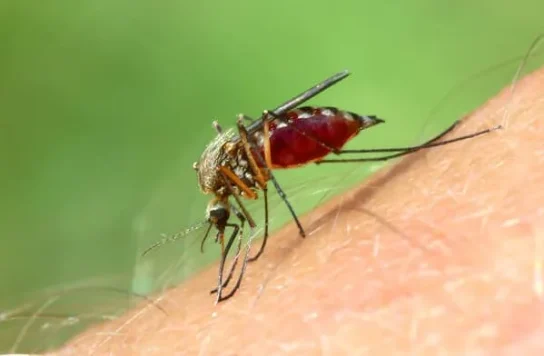
For homeowners, landlords, and tenants alike, pest issues often connect to more than the infestation itself. They can involve property access, tenant communication, landlord responsibilities, and scheduling around work, school, or commuting. A practical plan also needs to account for seasonal activity, nearby construction, garbage storage, food handling, and how quickly a problem can spread in a densely populated local service area.
Communities across Scarborough
This area is hardly one similar neighbourhood. Areas such as Agincourt, Birch Cliff, Malvern, Woburn, and Cliffside all have distinct building styles, road patterns, and resident routines. This affects all things from pest pressure to how a service visit is arranged.
Mosquito Man Scarborough1225 Kennedy Rd, Scarborough, ON M1P 4Y1, Canada
+1 647-243-7241
https://maps.app.goo.gl/8SuLx1MkkqVJFc2m9 https://mosquitoman.ca/pest-control/scarborough/
43.7561897, -79.2751574
Agincourt has a healthy mix of residential streets, apartment buildings, and busy commercial areas, so food sources and shared walls can increase the chance of cockroaches or mice if sanitation and exclusion are not kept up. Birch Cliff and Cliffside often feature older homes and low-rise properties, where foundation cracks, attic spaces, and backyard access can matter. In Malvern, larger housing clusters and multi-unit properties can mean a greater need for coordinated prevention and follow-through. Woburn includes a mix of detached homes and apartment living, so the pest concerns can vary widely even within the same district.
These differences matter because pest control is rarely just about spraying a product and leaving. In Scarborough, a service provider may need to adjust for building age, parking availability, shared entrances, and the presence of nearby restaurants, plazas, or waste areas. This is especially true in neighbourhoods where residential blocks sit close to busier roads or commercial strips.
How housing type affects pest concerns
The type of building you live in often shapes both the pest problem and the solution. In detached homes, pests usually enter through gaps in foundations, doors, vents, garage openings, or rooflines. These homes often allow more direct access for inspection, sealing work, and preventive maintenance, but they can also have larger yards, basements, and storage spaces that create hidden harbourage.
In condominiums, condo living can bring shared risk. A pest issue may begin in one suite and move through walls, plumbing lines, or common areas. In these cases, collaboration with property management and clear tenant communication are essential. Residents may have less control over exterior access, but they can still support treatment by removing clutter, storing food properly, and following preparation instructions.
Townhouses sit somewhere in between. They may have shared walls, shared waste areas, and small yards or patios that make exclusion and entry-point sealing more important. Finally, multi-unit buildings often require a broader approach because the pest source may not be limited to one suite. When a building has recurring pest issues, a well-planned approach should include whole-building inspection, sanitation improvements, and clear follow-up steps.
Across Scarborough, the best results usually come from matching the treatment to the structure. A pest issue in a basement apartment in Malvern will not be handled the same way as a cockroach problem in a tower near Scarborough Town Centre or a mouse issue in a house near Birch Cliff.
Transit access and traveling through Scarborough
Transit serves a bigger role in pest control service planning than many people expect. In Scarborough, the TTC guides daily movement for residents, workers, and visitors, and that affects appointment windows, building access, and the pace of response. The area is connected by Line 2 Bloor-Danforth, with major access points like Kennedy Station, and regional connections through GO Transit.
For pest control providers, transit access can play a role when scheduling a rapid response visit, especially in apartment buildings or condo towers where parking may be limited. Residents who rely on transit often want appointment times that fit around commute schedules. In a dense urban area, a service team also needs to account for elevator bookings, concierge procedures, loading restrictions, and the time it takes to move equipment through the building.
Transit also affects how residents notice pests. People moving in and out through stations, shared vehicles, and common spaces may encounter greater turnover in rental units. That does not mean transit itself causes infestations, but it can increase the complexity of building management, deliveries, and waste handling in busy areas.
Major routes and service coverage considerations
Some of the most important service planning in Scarborough happens around major travel routes and landmarks. Highway 401 is one of the biggest traffic factors in the area, and heavy congestion can affect how quickly a technician reaches a call, especially during peak hours or bad weather. Properties near the highway may also experience different pest pressures due to nearby commercial activity, landscaping, and drainage conditions.
Scarborough Town Centre is another key reference point. The area around it includes residential towers, retail space, food service locations, and high foot traffic, which can increase the need for structured sanitation and ongoing inspection. A pest control provider serving that district should be prepared for access rules, loading bay logistics, and the realities of mixed-use buildings.
Kennedy Station is central to transit-based travel in the area, and properties near the station often sit within a busy transit corridor. That can make scheduling easier for residents who use the TTC, but it also means service providers may have to work around vehicle traffic, pedestrian volume, and building access restrictions. McCowan Road is a further important north-south route, connecting neighbourhoods, commercial areas, and residential pockets where service coverage can vary based on proximity, parking, and traffic flow.
In practical terms, local travel patterns affect all aspects from inspection timing to follow-up visits. If a landlord manages units near Scarborough Town Centre and a tenant lives near Kennedy Station, the service team may need to coordinate more carefully to keep the treatment plan on track.
Essential travel info for tenants, landlords, and visitors
Scarborough’s location makes it a convenient starting point for both local and broader travel. Residents travel within Toronto, move across the Greater Toronto Area, and travel to places like Downtown Toronto for employment, school, and appointments. Others set off through Pearson International Airport for work-related or holiday trips. Visitors may come for destinations like the Toronto Zoo, while landlords and property managers may travel between multiple units across the city.
All of this travel matters because pest management often depends on availability and timing. A resident who is away for work may need adjustable appointments. A landlord with several properties may need planned appointments to reduce downtime. A visitor staying in a short-term rental should know how to report signs of pests quickly so the issue does not spread. In every case, the local commute can shape how fast a problem is noticed, communicated, and fixed.
Travel habits can also influence risk. Bags brought back from hotels, airport stays, or multi-stop trips can carry hitchhiking pests such as bed bugs. That does not mean travel should be avoided, but it does mean residents should check luggage, bedding, and clothing after returning home, especially after trips involving shared accommodations or frequently changing accommodations.
Seasonal movement and pest prevention
Winter and summer bring different pest patterns in Scarborough. During winter, rodents such as mice often seek warmth and food indoors, especially in basements, utility rooms, garages, and commercial storage areas. In summer, warmer temperatures increase seasonal activity for ants, wasps, and other outdoor insects, while humidity can make indoor spaces more welcoming to pests and can support faster breeding in some conditions.
That is the explanation a strong prevention plan includes routine inspection, not just action after a concern appears. Property owners should review door sweeps, window seals, vents, foundation cracks, and pipe openings. They should also pay attention to garbage storage, food spills, standing water, and clutter. In condos and apartment buildings, shared laundry rooms, hallways, and trash chutes should be monitored as part of a broader building approach.
Preventive maintenance is most important in the months when residents travel more or spend less time at home. If a unit sits empty, small problems can develop unnoticed. When the weather changes, pests may move indoors or spread to adjacent units. Regular check-ins can reduce the chance that a minor issue becomes a larger infestation.
Frequent area pest concerns in Scarborough
Various pests occur regularly in Scarborough because of the community’s varied housing, transit access, and dense residential patterns. Bed bugs are a major concern in apartment buildings, condos, and rental units because they spread through furniture, clothing, luggage, and adjacent living spaces. They are often tied to movement between homes, which makes tenant education and early reporting important.
Cockroaches are an additional common problem, especially where food waste, moisture, and shared plumbing lines exist. They can move quickly in multi-unit buildings and are often linked to sanitation issues, though even well-kept homes can experience an outbreak if one nearby unit has an active infestation.
Mice remain a regular issue in houses, townhouses, and older properties. They can squeeze through small entry points and are often attracted to stored food, crumbs, pet food, and cluttered basements. Ants are common in warmer months and can appear in kitchens, bathrooms, and around foundations as they search for food and water. Wasps often become a summer issue around decks, eaves, sheds, and outdoor eating areas, especially in neighbourhoods with more yard space.
Because these pests operate differently, the best treatment approach should not be generic. Bed bugs may require targeted heat, chemical, or integrated strategies. Cockroaches often need baits, sanitation improvements, and monitoring. Mice call for exclusion, trapping, and cleanup. Ants may require nest-focused treatment, while wasps often need careful removal or control depending on location and risk.
When to call a pest control professional
You should reach out to a licensed exterminator when the problem keeps returning, spreads to other rooms or units, or creates health, safety, or sanitation concerns. If you see repeated droppings, live insects during the day, strong odours, bite concerns, or signs of nesting, the issue may already be beyond a straightforward home fix. In Scarborough, this is especially important in shared buildings where pests can move quickly between suites.
A reliable provider of licensed pest control should use integrated pest management, which means combining inspection, monitoring, sanitation, exclusion, and targeted treatment options. This approach focuses on the source of the issue, not just the visible symptoms. A strong treatment plan may include getting the area ready, sealing entry points, placing traps or baits, and arranging follow-up visits when necessary.
Professionals also understand landlord responsibilities and the need for respectful tenant communication. In rental housing, everyone benefits when the process is clear: what needs to be moved, who needs access, what the timeline is, and what residents should do after treatment. Good pest control also emphasizes prevention so the issue does not return after the immediate infestation has been addressed.
For many Scarborough households, the most effective choice is a provider that can move quickly, work around local access challenges, and adapt to different building types across the city. That is what local service should look like in a fast-moving part of Toronto.
Common questions about pest control in Scarborough
Which pests are most common in Scarborough, ON?
In Scarborough, ON, the most frequent concerns usually include bed bugs, cockroaches, mice, ants, and wasps. The actual risk depends on the property type, season, and neighbourhood conditions. Shared buildings may see more cockroaches and bed bugs, while single homes may deal more often with mice and wasps. A proper inspection helps identify the source before the problem spreads.
How do TTC routes affect pest prevention?
Living near TTC routes such as Line 2 Bloor-Danforth or around Kennedy Station can make scheduling service easier, but busy transit areas also tend to have more building turnover, shared access points, and mixed-use properties. That means pest prevention may rely more on cleanliness, monitoring, and tenant coordination. Transit itself is not the cause, but dense surroundings can make an infestation spread faster if it is not caught early.
Do pest control services differ for condos and houses in Scarborough?
Yes. In condo living, pest control often involves shared walls, building rules, and communication with property management. In single-family homes, technicians may focus more on foundations, basements, yards, and roofline gaps. Townhouses and multi-unit buildings need a mix of both approaches. The best licensed pest control plan is based on the structure, the level of access, and the movement patterns around the property.
What should I do before a pest control inspection?
Before an inspection, clear access to the affected areas, remove items from under sinks or around walls if requested, and store food safely. Good sanitation helps the technician find the source of the problem more quickly. If you rent, tell your landlord or property manager early and follow any instructions about tenant communication and preparation. Having a clean, accessible space improves the accuracy of the assessment and helps the treatment plan work better.
How regularly should subsequent treatments be scheduled?
Follow up scheduling depends on the infestation, the seriousness of the infestation, and the type of building. Some of these https://telegra.ph/How-Fast-Can-Pest-Control-in-Scarborough-Arrive-08-23 problems need one return visit, while others require several rounds of monitoring and service. A certified professional will describe the timeline based on the issue and may suggest more frequent visits for heavy infestations, especially in apartments or shared buildings. In general, ongoing prevention and preventive maintenance reduce the need for repeated applications over time.